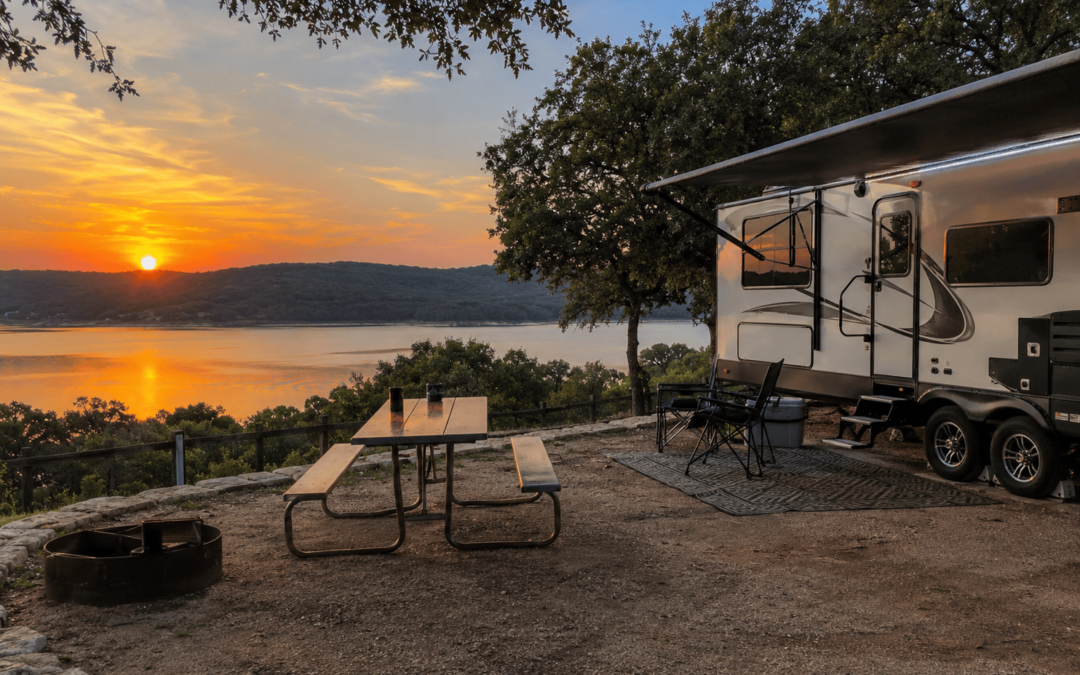
Texas is a state built for road trips. From the rolling landscapes of Hill Country to the desert scenery of West Texas, the forests of East Texas, and the beaches along the Gulf Coast, each region offers a different experience for travelers.
For RV travelers, this variety makes planning a trip particularly interesting. You can spend a weekend near a lake, explore a national or state park, stay along the coast, or base yourself near a major city and take day trips into the surrounding area.
Finding the best places to camp in Texas isn’t simply about choosing the destination with the most impressive scenery. RV size, site availability, hookups, road access, weather, nearby attractions, and the length of your stay can all influence whether a location is right for you.
What Makes a Good Camping Destination in Texas?
A beautiful location is a great starting point, but RV travelers have a few additional things to consider. A campsite that works perfectly for a tent camper may not be suitable for a large motorhome or fifth wheel.
Before booking, consider the overall experience you want and the practical requirements of your RV.
Some of the most important factors include:
- RV accessibility: Check site length, width, turning space, and road access.
- Hookups: Confirm whether water, electricity, and sewer connections are available.
- Amenities: Depending on the length of your stay, Wi-Fi, laundry, restrooms, and other facilities can make a difference.
- Nearby attractions: Consider what you can see and do outside the campground.
- Season: Texas weather varies significantly between regions and throughout the year.
- Length of stay: A weekend trip may require different facilities than a multi-week stay.
Once these basics are clear, you can focus on choosing a destination that matches your travel style.
1. Texas Hill Country
Texas Hill Country is one of the state’s most popular regions for outdoor travel. Its rolling hills, rivers, scenic roads, small towns, and natural attractions make it well suited to an RV road trip.
Places such as Fredericksburg, Garner State Park, Pedernales Falls State Park, and Enchanted Rock give visitors plenty of opportunities to combine camping with sightseeing.
A trip through Hill Country doesn’t have to be completely focused on outdoor activities. You can spend the morning hiking or swimming, visit a nearby town in the afternoon, and return to your RV for a quiet evening.
What RV Travelers Should Know
Hill Country destinations can become busy during weekends and popular travel periods. Before making a reservation, check the campground’s current requirements and make sure your RV fits the available site.
Pay particular attention to:
- Maximum RV length
- Pull-through or back-in sites
- Electrical hookups
- Water and sewer availability
- Road conditions
- Reservation requirements
If you’re planning to visit several destinations, allow enough time between stops rather than trying to fit too many locations into one itinerary.
2. Big Bend and West Texas
West Texas offers an entirely different experience from Hill Country. The landscape becomes more rugged, with desert terrain, mountains, open spaces, and exceptionally dark skies.
Big Bend National Park and Big Bend Ranch State Park are major attractions for travelers interested in hiking, scenic drives, photography, wildlife, and stargazing.
The remoteness is part of the appeal, but it also means you need to plan more carefully.
Before Traveling Into Remote Areas
Make sure you consider:
- Fuel availability
- Drinking water
- Food and supplies
- Weather conditions
- Cellular coverage
- Road conditions
- RV size and accessibility
Services can be much farther apart than they are around Houston or other major cities. A little preparation before leaving a populated area can make the trip considerably easier.
3. Texas Gulf Coast
If beaches and water activities are more appealing than mountains or forests, the Texas Gulf Coast offers plenty of options for an RV getaway.
Galveston, Port Aransas, Mustang Island, and the Padre Island area are popular destinations for travelers interested in beaches, fishing, boating, wildlife, and coastal communities.
The Gulf Coast also gives RV travelers flexibility. You can plan an active trip filled with outdoor activities or simply spend several days relaxing near the water.
Things to Consider Before a Coastal RV Trip
Coastal weather can change quickly, so check the forecast before leaving and throughout your stay.
It’s also worth checking:
- Site surface and drainage
- Wind exposure
- Available hookups
- Parking arrangements
- Pet policies
- Seasonal availability
- Distance from grocery stores and other services
During busy periods, popular coastal campgrounds may fill quickly, so advance planning can be useful.
4. East Texas and the Piney Woods
East Texas provides a very different landscape from the dry western part of the state. The Piney Woods region is known for forests, lakes, wetlands, and quieter outdoor surroundings.
Caddo Lake is one of the area’s most distinctive destinations, while the wider region offers opportunities for fishing, paddling, hiking, and wildlife viewing.
For RV travelers who prefer a slower pace, East Texas can be particularly appealing. Instead of moving from one attraction to another every day, you can settle into a campsite and spend more time enjoying the surrounding area.
Activities to Consider
Depending on the location, visitors can enjoy:
- Fishing
- Kayaking and paddling
- Hiking
- Wildlife watching
- Photography
- Lakeside relaxation
This region can also work well for travelers looking for a quieter weekend away from larger cities.
5. Palo Duro Canyon and the Texas Panhandle
Palo Duro Canyon is one of the most striking natural landscapes in Texas. Its colorful canyon walls, hiking trails, and wide-open views make it a memorable destination for outdoor travelers.
The area can also be incorporated into a longer RV route through the Texas Panhandle.
Planning Your Visit
The weather should be an important part of your planning. Summer temperatures can make strenuous outdoor activities more demanding, particularly during the middle of the day.
RV travelers should also check:
- Campsite dimensions
- RV length restrictions
- Road access
- Water availability
- Weather conditions
- Nearby fuel and supplies
If hiking is part of your itinerary, plan your activities around the conditions rather than simply following a fixed schedule.
6. North Texas Lakes and Weekend Destinations
Not every RV trip needs to involve a long drive across Texas.
North Texas has numerous lakes and recreational areas that are suitable for shorter getaways. Lake Texoma, Possum Kingdom Lake, and other outdoor destinations offer opportunities for fishing, boating, swimming, hiking, and relaxing outdoors.
These locations can be particularly useful for travelers who want a weekend trip without spending most of their time on the road.
When choosing a campground, consider how close you want to be to the water and whether the property offers the hookups and facilities you need.
7. Houston and Southeast Texas
Houston may be known primarily as a major city, but its surrounding communities can also work well as a base for an RV trip.
Staying outside the city gives travelers the opportunity to explore Houston’s restaurants, shopping, entertainment, and attractions while returning to a quieter RV setting at the end of the day.
Porter, Texas, located northeast of Houston, is one location worth considering for travelers who want convenient access to the Houston area.
What to Look for in an RV Stay Near Houston
When comparing RV parks and resorts, consider:
- Full-hookup availability
- Site size
- Electricity and water
- Sewer connections
- Wi-Fi
- Laundry facilities
- Pet-friendly policies
- Access to major roads
- Nearby shopping and services
- Daily, weekly, or monthly stay options
Porter Strong RV Resort provides RV travelers with a base in Porter, close to the Houston area, with facilities suited to both shorter visits and longer stays.
How to Choose the Right Place to Camp in Texas
Choosing a destination becomes easier when you start with your own travel plans instead of simply looking for the most popular campground.
Think about what you want to do during the trip. A traveler interested in hiking and dramatic scenery will have different priorities from someone looking for a quiet lakeside weekend or an extended stay near Houston.
Consider These Questions Before Booking
- How long is the trip? A weekend getaway may not justify a long drive.
- What size is your RV? Make sure the site can accommodate it comfortably.
- Which hookups do you need? Full hookups can be especially useful for longer stays.
- What activities are nearby? Consider hiking, fishing, beaches, restaurants, attractions, and shopping.
- What amenities matter most? Wi-Fi, laundry, pet facilities, and recreation areas may become more important during longer stays.
- What is the weather likely to be? Regional conditions can vary considerably.
Taking a few minutes to answer these questions before booking can prevent many common problems once you arrive.
When Is the Best Time for RV Camping in Texas?
There isn’t one season that works equally well for every part of Texas. The state covers a huge area, and conditions can vary considerably between regions.
Spring
Spring is popular for outdoor activities in many areas because temperatures are often more comfortable. Hill Country is particularly attractive during this time, although popular destinations can become busy.
Summer
Summer is a good time for water-based activities and coastal trips, but Texas heat can be intense. If you’re traveling during summer, reliable air conditioning, electricity, plenty of water, and thoughtful activity planning become especially important.
Fall
Fall can be a comfortable time for road trips and outdoor activities. It can also be a good opportunity to explore destinations that are less comfortable during the hottest part of the year.
Winter
Winter varies considerably across Texas. Southern and coastal areas can have very different conditions from northern and western regions. Always check the forecast for your specific destination before starting your trip.
What to Pack for an RV Camping Trip in Texas
Your packing list will depend on where you’re going, but a few RV essentials are useful for almost any trip.
RV Equipment
- Freshwater hose and connections
- Sewer hose and fittings
- Electrical adapters
- Leveling blocks
- Tire pressure equipment
- Basic tools
- Flashlights
- Emergency supplies
Personal Items
- Weather-appropriate clothing
- Comfortable walking shoes
- Sun protection
- Insect protection
- Reusable water bottles
- Food and snacks
- First-aid supplies
If you’re traveling through remote parts of Texas, pay particular attention to fuel, water, food, and communication before leaving areas with regular services.
Practical Tips for Planning a Texas RV Road Trip
A little preparation can make a significant difference, especially when you’re traveling long distances.
1. Focus on One Region
Texas is too large to experience properly in just a few days. Choose a region that matches your interests and give yourself enough time to enjoy it.
2. Reserve Popular Campgrounds Early
Check availability before traveling, particularly around holidays and peak travel periods.
3. Check Your RV Site Details
Don’t assume that every site can accommodate every type of RV. Confirm the dimensions, hookups, parking arrangement, and access before booking.
4. Plan Fuel Stops
Fuel planning becomes particularly important in remote parts of the state. Know where your next reliable fuel stop will be.
5. Check the Weather
Texas weather can vary considerably from one region to another. Check the forecast before departure and make adjustments when necessary.
6. Leave Some Flexibility
Don’t schedule every part of the trip. Allowing time for scenic stops, local restaurants, unexpected attractions, or an extra night in a destination can make an RV road trip much more enjoyable.
RV Campground vs. RV Resort: Which Is Better for Your Trip?
Both can be suitable, but they offer different experiences.
| Feature | RV Campground | RV Resort |
|---|---|---|
| Full hookups | Varies | Often available |
| Amenities | Varies | Generally more extensive |
| Long-term stays | Depends on location | Often available |
| Wi-Fi | Varies | Common at many properties |
| Laundry | Varies | Often available |
| Experience | More camping-focused | More comfort-oriented |
If your main goal is spending time outdoors and keeping things simple, a campground may be exactly what you need.
If you want a comfortable place to return to after sightseeing, particularly during a longer stay, an RV resort may offer more of the everyday conveniences you’re looking for.
Plan Your Next Texas RV Adventure
The best part of camping in Texas is the variety. You don’t have to choose between one type of landscape or one style of trip. A Texas RV road trip can include hill country, lakes, forests, beaches, desert landscapes, or time near a major city.
The right destination depends on your schedule, RV size, preferred activities, and the level of comfort you want during the trip.
If your route takes you toward Houston, Porter Strong RV Resort in Porter, Texas, can provide a convenient base for exploring the surrounding area while giving you access to the amenities needed for a comfortable RV stay.
Whether you’re planning a short weekend getaway or a longer journey across the state, taking the time to choose the right destination and campsite can make the entire experience more enjoyable. The goal isn’t simply to reach the next stop. It’s to have a trip that gives you enough time to enjoy the places along the way.