
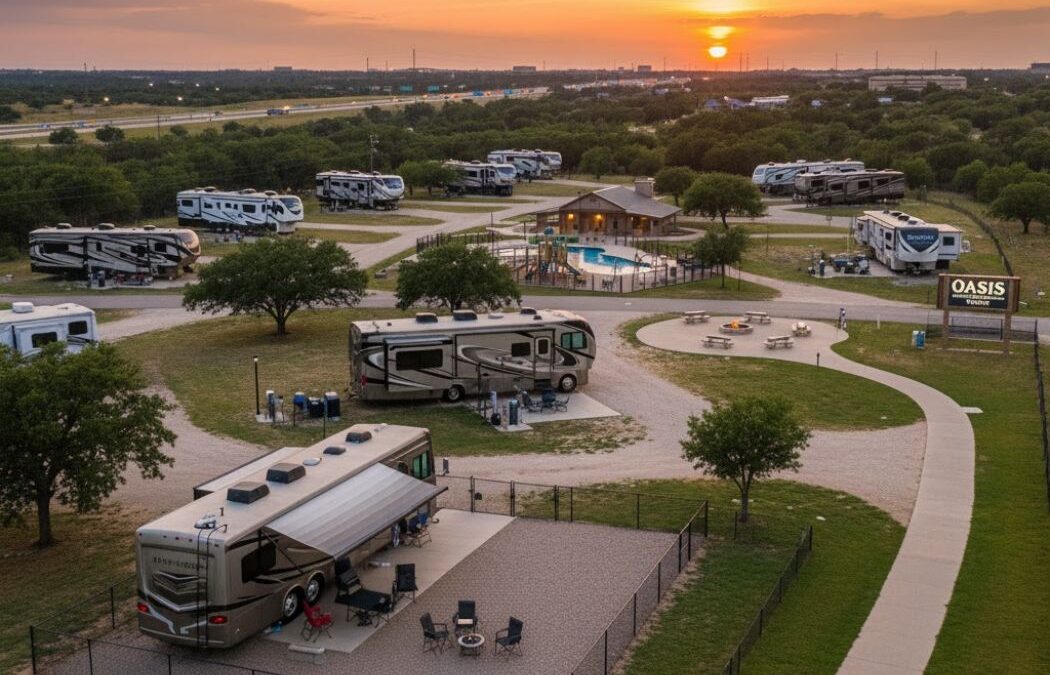
Owning an RV opens the door to endless travel possibilities and the freedom to explore new destinations at your own pace. But before setting out on your next adventure, one crucial decision can affect your experience: choosing the right RV parking. Whether you are looking for RV parks in Texas, a peaceful long-term stay, or a pet-friendly site, understanding what to look for ensures comfort, safety, and convenience throughout your journey.
1. Location is Everything
The first step to finding the ideal RV parking spot is considering its location. If you are exploring the southern United States, for example, RV parks in Texas are popular due to the state’s scenic routes, warm weather, and numerous tourist attractions. Look for parks close to gas stations, grocery stores, hiking trails, and restaurants. Choosing a central location saves time and provides easy access to essential amenities.
Check how far the RV park is from major highways or local attractions, as proximity can enhance your travel experience and reduce driving stress. Consider whether you prefer a city-centered park with easy access to urban amenities or a secluded location surrounded by nature for a more relaxing escape.
2. Check for Essential Amenities
Every traveler’s needs are different, but there are a few must-have amenities that every RV park should offer:
- Electric, water, and sewer hookups
- Reliable Wi-Fi and cell service
- Restrooms and laundry facilities
- Waste disposal and recycling stations
- Picnic areas and fire pits
Some RV camping sites offer swimming pools, clubhouses, or playgrounds. These extra touches can elevate your experience and make your RV stay feel like a mini-resort.
3. Ensure Safety and Security
Safety should always be a top priority when selecting RV parking. A well-lit area, gated entry, and 24/7 surveillance provide peace of mind, especially for overnight or long-term stays. Look for online reviews or testimonials to understand the park’s reputation. Many RV parks in Texas emphasize secure environments, ensuring travelers and their belongings stay protected.
Consider local safety as well. Check whether the park is in a low-crime area, whether emergency services are easily reachable, and whether there are natural risks like flooding or wildlife encounters.
4. Determine Your Parking Size and Space Needs
Not all RVs are the same. Whether you own a small camper or a large motorhome, make sure the park can accommodate your vehicle comfortably. Confirm the width, length, and clearance height of the site before booking. Larger rigs may require pull-through spaces, while smaller RVs can easily fit into back-in sites.
Additionally, consider your outdoor setup. If you want to set up chairs, awnings, or outdoor kitchens, you will need enough extra space around your RV. Some parks provide “premium” lots with more room for comfort and privacy.
5. Check the Pet Policy
If you are traveling with pets, a pet-friendly RV park is a must. Many parks now feature fenced dog areas, walking trails, and designated pet zones. Some may have breed or size restrictions, so it is best to confirm in advance. Texas, in particular, has several pet-friendly RV parks offering open spaces where your pets can stretch and play.
When choosing a pet-friendly park, consider proximity to pet stores, veterinary clinics, and local dog-friendly trails. This ensures both you and your pets have a stress-free and enjoyable experience.
Also you can read :- Traveling with Pets? Find the Best Parking for RV in Texas
6. Consider Accessibility and Ease of Entry
Before booking your site, visualize how easy it will be to enter, park, and exit the location. Narrow roads, steep driveways, or tight turns can cause unnecessary stress. Choose parks that have wide lanes and smooth driveways to make maneuvering simple, especially for newer RV owners.
Accessibility also includes considering the terrain. Avoid spots that are prone to mud, flooding, or uneven surfaces that can make parking or leveling your RV difficult. Look for gravel pads or paved sites for easier maintenance.
7. Look for Long-Term Stay Options
If you plan to stay in one place for an extended period, consider long-term RV parking options. These sites usually offer discounted rates, additional storage space, and more personalized amenities. Long-term RV parks in Texas often provide community-style living with events and group activities, perfect for snowbirds or digital nomads looking for comfort and connection.
Some parks even offer utility packages and priority booking for long-term visitors. This convenience ensures a seamless experience without frequent administrative tasks.
8. Read Reviews and Ratings
Online reviews are one of the best ways to gauge the quality of an RV park. Check Google Reviews, Campendium, or RV LIFE Campgrounds to read experiences from fellow travelers. Pay attention to consistent feedback about cleanliness, staff behavior, and site maintenance. Positive reviews from verified guests often indicate a trustworthy and enjoyable place to stay.
Look for detailed reviews mentioning aspects like noise levels, nearby attractions, and community friendliness. These small details can have a big impact on your stay.
9. Check Availability and Booking Flexibility
During peak travel seasons, especially in popular destinations like Texas, RV parks can fill up quickly. Always check availability in advance and look for parks that offer easy online reservations and flexible cancellation policies. This flexibility allows you to modify plans without losing money or stressing about sudden changes.
Consider booking at least a few weeks in advance for summer trips or holiday weekends. Some RV parks allow you to hold a spot with minimal deposit, which is perfect for planning ahead.
10. Compare Value, Not Just Price
While budget is an important factor, the cheapest option is not always the best. Compare the value each RV park offers for its price. Extra amenities like clean restrooms, friendly staff, or beautiful scenery can make a significant difference in your overall experience. Investing in a slightly higher-priced park often translates to a safer and more comfortable stay.
Value also includes convenience and location. Paying a little extra to stay near attractions or services can save time and reduce stress, giving you more enjoyment during your trip.
11. Understand Rules and Regulations
Every RV park has its own set of rules. Before booking, check for regulations regarding:
- Quiet hours
- Maximum stay limits
- Generator usage
- Campfires and grills
- Visitor policies
Being aware of these rules ensures a smooth stay and prevents conflicts with park management.
12. Consider Seasonal Factors
Weather can affect your RV experience significantly. Some parks are best suited for winter stays, offering heated hookups or protected parking areas, while others excel in summer with shaded spots and swimming areas. Texas RV parks often provide options year-round, but northern states may require seasonal adjustments.
Plan your trip according to the best season for your RV type and personal comfort. Check whether the park has seasonal closures or weather-related maintenance.
13. Explore Nearby Attractions
One of the joys of RV travel is exploring local attractions. When choosing your RV parking, consider proximity to:
- National and state parks
- Hiking trails and lakes
- Scenic drives
- Cultural or historical sites
Being close to attractions reduces travel time and allows more opportunities for adventure. Many RV parks in Texas are strategically located near natural and urban attractions, making them ideal bases for exploration.
14. Evaluate Customer Service
The staff at an RV park can make a huge difference in your experience. Friendly, knowledgeable, and responsive management ensures smooth check-ins, quick problem resolution, and useful local advice. Look for parks with excellent customer service reviews, as they often go above and beyond to make your stay enjoyable.
15. Plan for Connectivity Needs
Many RV travelers rely on internet connectivity for work, navigation, and entertainment. Check whether the park offers high-speed Wi-Fi, good cellular coverage, or signal boosters. Some parks even have dedicated Wi-Fi zones or provide guidance on the best network options for your RV type.
16. Consider Community and Social Opportunities
Some RV parks foster a sense of community by organizing social events, group dinners, or game nights. If you enjoy meeting fellow travelers and sharing experiences, choosing a park with community activities can make your stay more enjoyable. Conversely, if you prefer solitude, look for quieter parks with larger lots or private spaces.
17. Sustainability and Eco-Friendly Practices
Eco-conscious travelers may want to consider parks that follow sustainable practices. Look for parks that offer recycling, solar-powered facilities, low-impact designs, and water conservation efforts. Choosing environmentally friendly parks ensures you leave minimal footprint while enjoying nature responsibly.
18. Special Features and Extras
Some RV parks provide unique features that enhance your stay, such as:
- On-site cafes or convenience stores
- Guided tours or rental services
- Boat ramps or fishing areas
- Playground areas for kids
These extras can make your stay more convenient and entertaining, providing value beyond a simple parking spot.
Final Thoughts
Choosing the right parking for your RV can elevate your entire travel experience. Whether you are searching for RV parks in Texas, family-friendly camping spots, or long-term parking, focusing on location, safety, amenities, and value will help you find the perfect match. Remember, your RV is more than just a vehicle, it is your home on wheels. Parking it at the right place ensures your journey is smooth, enjoyable, and memorable.
With thoughtful planning and attention to detail, every trip becomes an adventure, every stay becomes a comfort, and every destination feels like home.